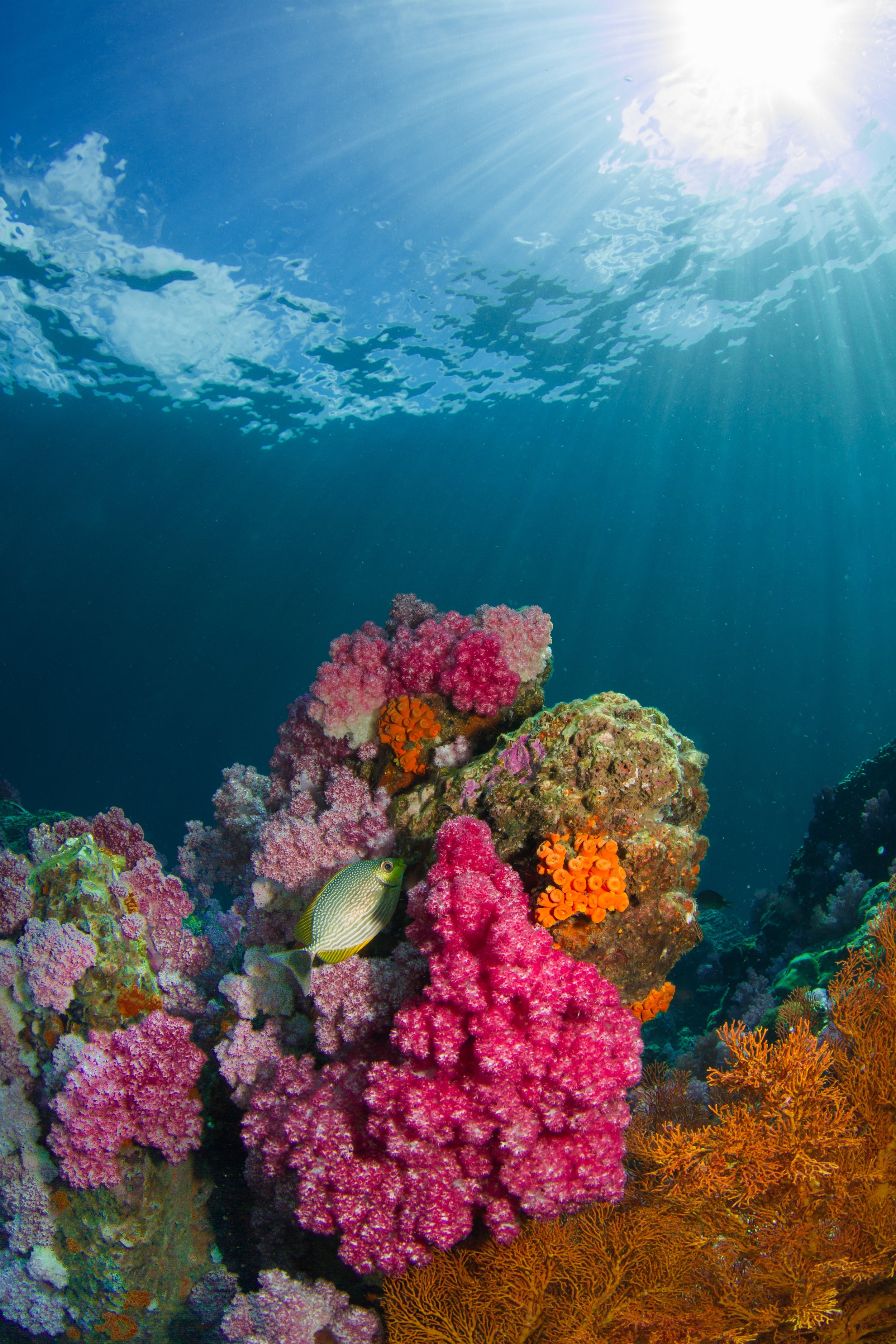
Greener Grazing is the world’s leading effort to close the lifecycle of Asparagopsis taxiformis and develop the tools to initiate global ocean-based cultivation. Our work has received support from major philanthropic organizations.
Greener Grazing has the potential to deliver global-scale transformational benefits in reducing the feed footprint and climate impacts of the world's two billion cattle and other ruminant animals.


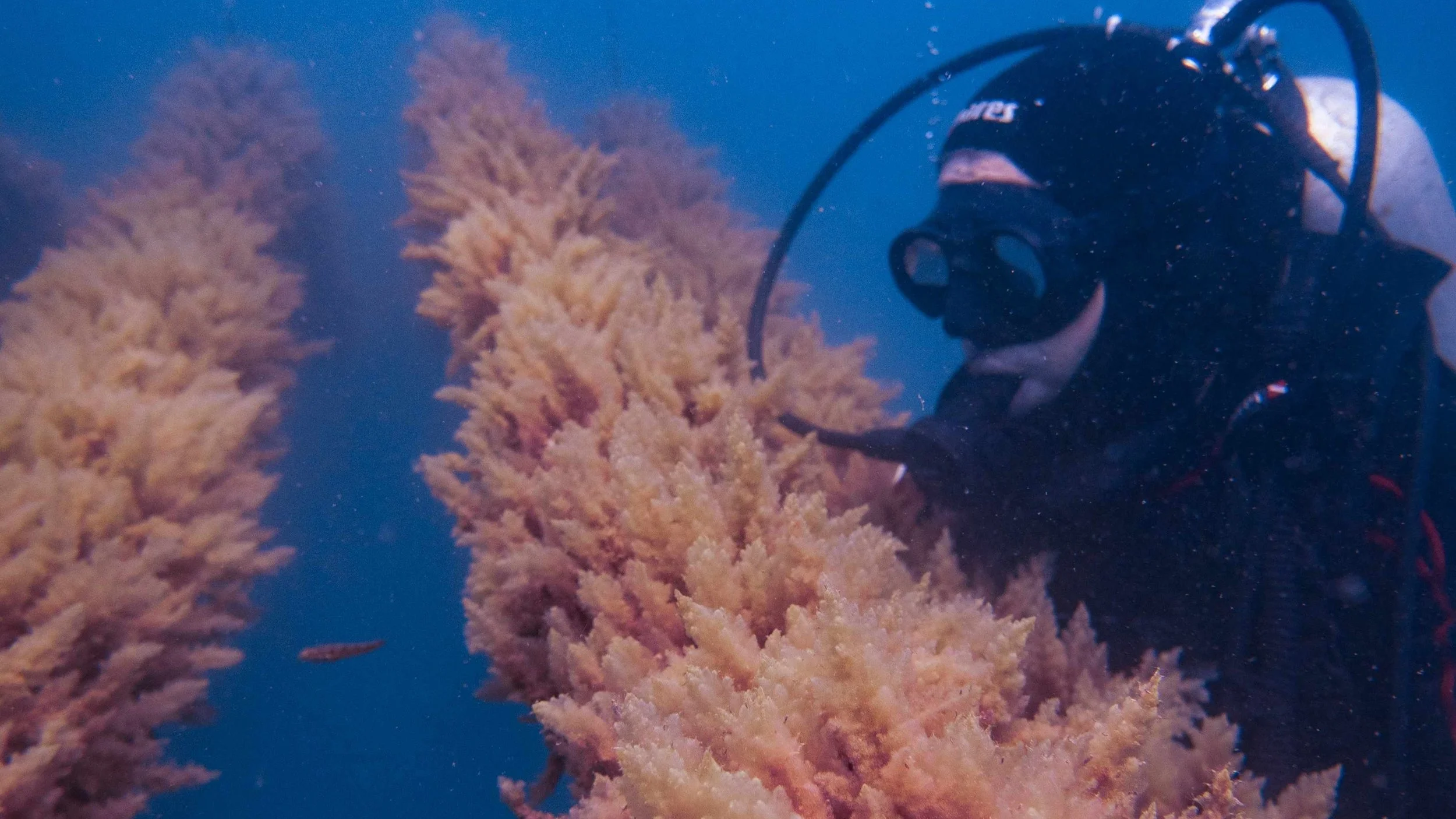
Ground-breaking research at CSIRO and James Cook University has revealed that cows and sheep fed small amounts of a red seaweed called Asparagopsis taxiformis produce virtually no methane during digestion.
The findings have been replicated and published in leading scientific journals. It’s time to apply this discovery to affect real-world change.
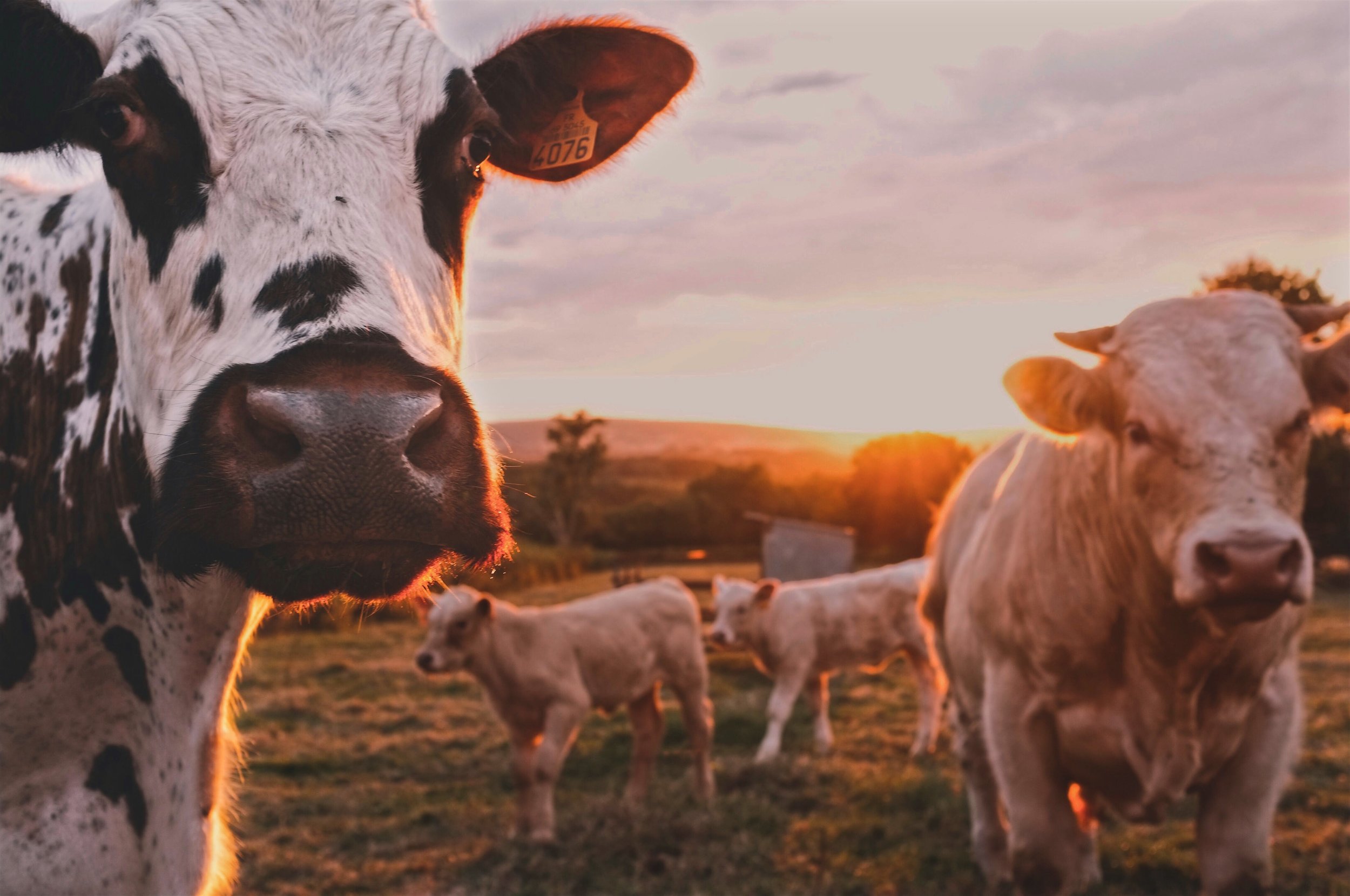
Livestock production’s climate impact is greater than all of the world's cars, planes and ships combined.
But cattle and sheep diets can be altered, with game-changing effects for the planet.
Building A Circular Blue Economy
Large-scale Asparagopsis taxiformis seaweed farming could help combat ocean acidification, employ millions of people, and revitalize coastal communities through regenerative aquaculture.